International Relations
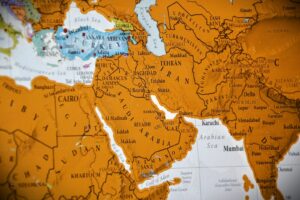
Nationalism as a Political Force in the Middle East in the first half of the Twentieth Century
Through analyzing the examples of Egypt’s struggle for independence, the emergence of Iraqi nationalism in response to British colonial rule, and the emergence of Pan-Arabism, we can see nationalist movements not only opposed colonial rule, but sought to build cohesive, independent states; which continue to remain relevant today. …
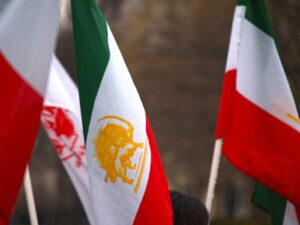
Iran at a Crossroads: Legitimacy, External Pressure and Regional Order
What originated as a challenge to domestic legitimacy in Iran has increasingly taken on the character of a regional risk-management issue. As…

The Indo-Pacific’s New Fault Line: Supply Chains, Not Sea Lanes, Are Drawing the Lines
The late 2010s and early 2020s witnessed a marked intensification of U.S.–China trade tensions, with the imposition and subsequent recalibration of tariffs…
Security Illusions: Russia in the Sahel
Russia’s Opportunistic Entry and Stranglehold in the Region The diplomatic rift between the central Sahelian states viz: Burkina Faso, Niger and Mali,…
Call for Papers
The Center for International Relations. We encourage submissions exploring various topics, including but not limited to global governance, cybersecurity, climate change and…
What Can You Do with an International Relations Degree
Over the last few decades, one of the most striking phenomena we’ve observed is the rapid acceleration of globalization and internationalization. The…